La Chapelle de la Mission Haut-Brion Pessac-Léognan 2002
2002, Pessac-Léognan, Bordeaux, France
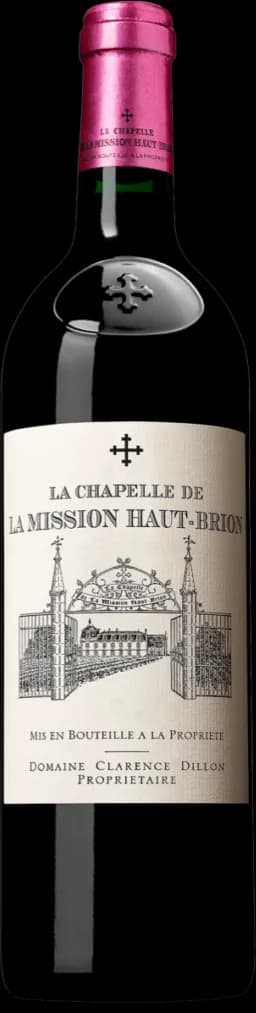
La Chapelle de la Mission Haut-Brion Pessac-Léognan 2002
Red Blend
Château La Mission Haut-Brion
1st Glass
$22Glass
$36Bottle
$179Loading tasteimonials...
Profile & Story
Château La Mission Haut-Brion traces its history to 1540, when Bordeaux merchant Arnaud de Lestonnac acquired a plot known as Arregedhuys, the starting point for the estate, and married Marie, sister of Jean de Pontac, founder of neighboring Château Haut-Brion. Generations later, Olive de Lestonnac devoted her fortune to charity, and after her death the property passed into Church ownership; in 1682 it was transferred to the Lazarist priests, the Priests of the Mission, who built the chapel of La Mission Haut-Brion in 1698. Confiscated and sold as national property during the French Revolution, the estate passed through several owners, including Frédéric Woltner, who in 1926 became the first in the region to install enamelled steel vats, before Domaine Clarence Dillon acquired it in 1983. The property sits in the Pessac-Léognan appellation, separated from Château Haut-Brion only by the road linking Pessac and Talence. La Chapelle de la Mission Haut-Brion is the estate's second wine, produced in small quantities as a gateway to the world of Château La Mission Haut-Brion; its name is a nod to the 1698 chapel. The 2002 vintage was very dry with well-spread rainfall that kept the vines properly supplied with water; a cool summer delayed ripening, but conditions turned hot and sunny with an unusual northeasterly wind from September 9th onward, and the harvest ran from September 23rd to October 8th. The wine is a blend of 65% Cabernet Sauvignon, 32% Cabernet Franc and 3% Merlot, raised without any new oak, reaching 13% alcohol, and was bottled in June 2004.
Tasting Notes
As the estate's second wine, La Chapelle de la Mission Haut-Brion typically offers a more approachable, earlier-drinking take on the Pessac-Léognan character of its elder sibling: gravelly, savory red and dark fruit with enough structure to reward some bottle age.