Brunello di Montalcino DOCG
2021, Toscana, Italy
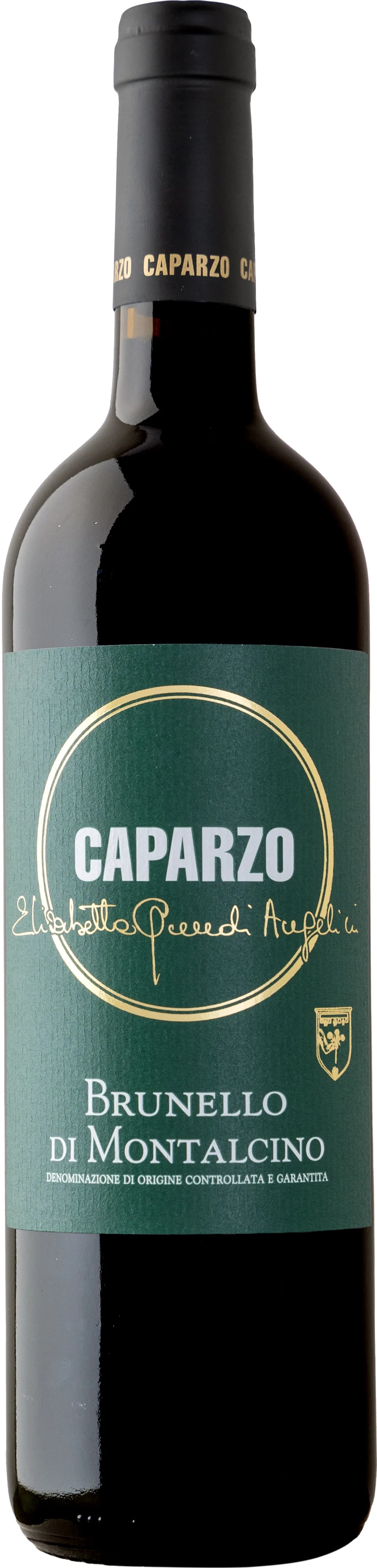
Brunello di Montalcino DOCG
Sangiovese
Caparzo
Loading tasteimonials...
Profile & Story
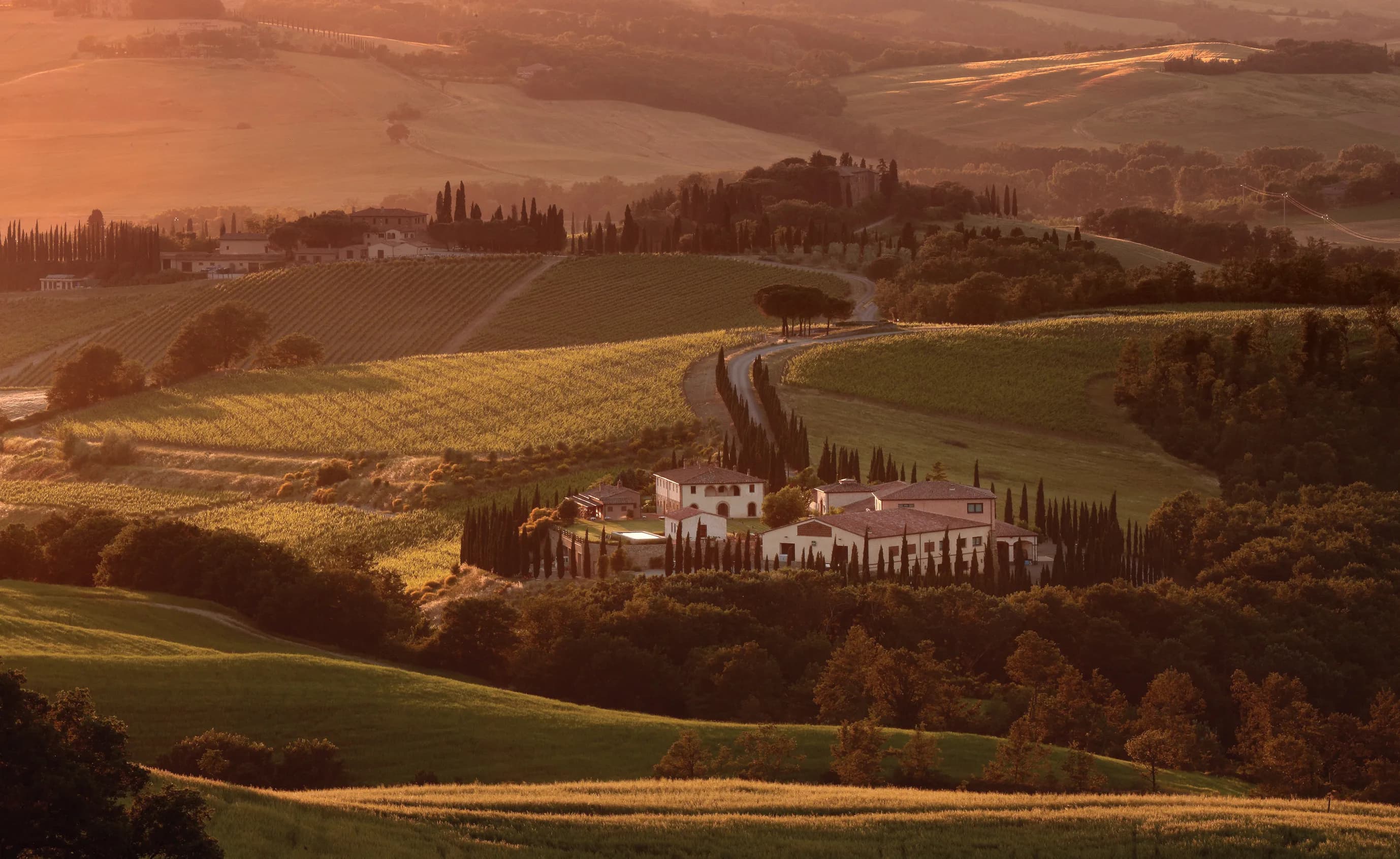
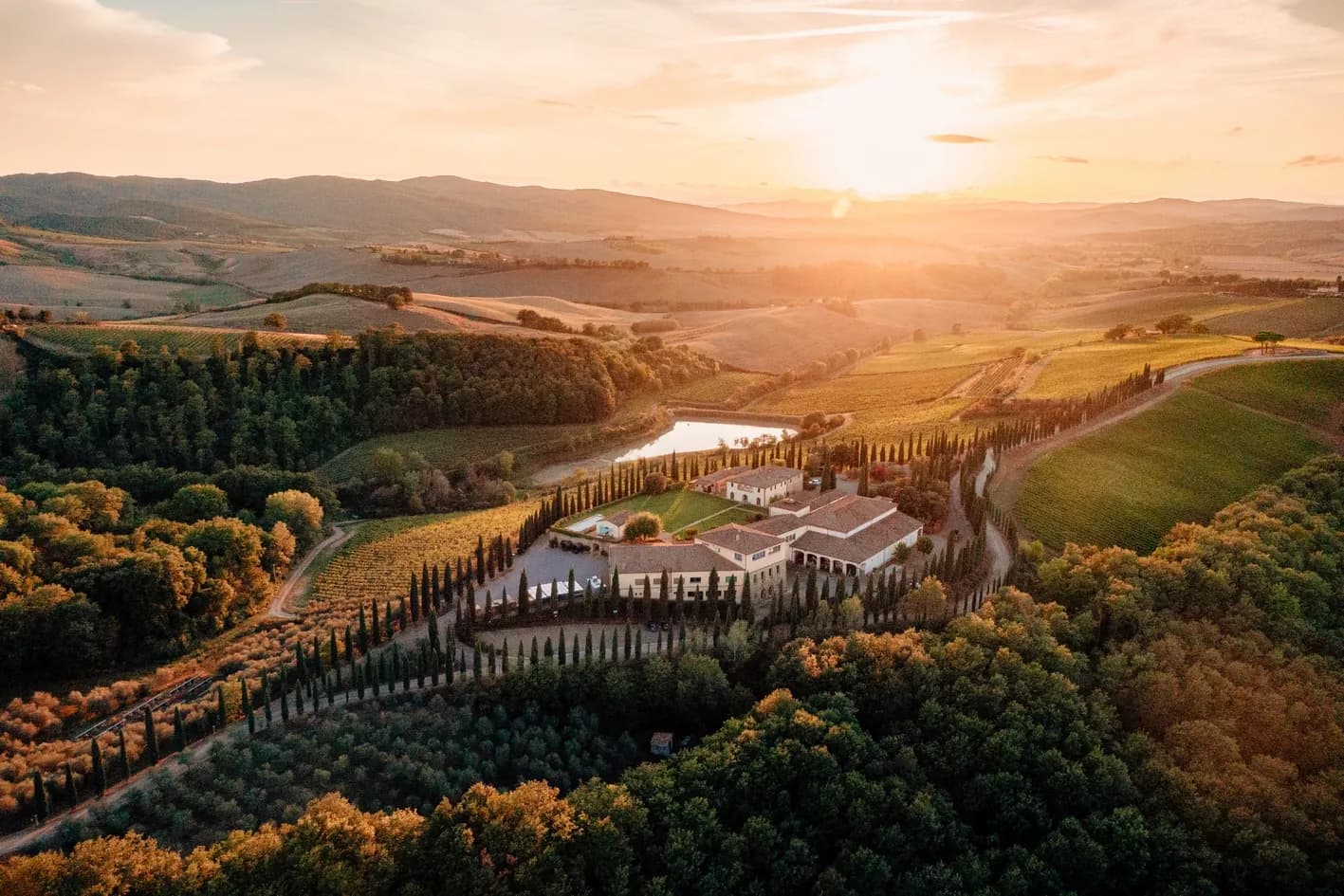
Established in 1970, Caparzo is one of Montalcino's 30 historic wineries, and is among those that most contributed to the creation of the Brunello myth. A center for experimentation and innovation from the outset, in 1977 Caparzo introduced the concept of Cru to Montalcino, vinifying separately the grapes from the La Casa vineyard, one of the most prestigious in the Appellation. Upon purchasing Caparzo in 1998, Elisabetta Gnudi Angelini transformed it radically, building a new, completely underground aging cellar that is among the most technologically advanced in the area. She also replanted the vineyards, and through careful acquisitions increased the vineyard area from the initial 46 hectares to 90, of which 32 yield Brunello and 18 Rosso di Montalcino. One of Caparzo's strong points is that it has vineyards in almost all of Montalcino's best areas; this allows the estate to draw the best from every vintage, even the most difficult. In 1983 the La Casa cru was flanked by La Caduta, a Rosso di Montalcino that draws its name from the La Caduta vineyard. The estate's philosophy has always been to look to the future, and it is no accident that Caparzo was the first Montalcino estate to install solar panels; Elisabetta Gnudi Angelini and her son Igino, who is an environmental engineer, decided to install them seven years ago, and they now supply much of the electricity the cellars require. As such they represent a first, fundamental step towards a viticulture that is less invasive and more respectful of the environment and the landscape. Another important step was the acquisition of a large filter with which to treat all of the rainfall and waters used in the productive cycle, which are made drinkable and stored in a reservoir. In 2005 a program for the differentiated recovery the estate's wastes was introduced, and in 2012 the estate obtained the ISO 9001:2008 “Sistema di Gestione per la Qualità” and the BS OHSAS 18001:2007 “Sistema di Gestione della Sicurezza e Salute sul Luogo di Lavoro” certifications.The Caparzo estate is growing steadily, using the most modern technologies to obtain the most from nature without recourse to chemistry. Caparzo also boasts a cutting edge laboratory that allows it to monitor both the ripeness of the grapes and all of the subsequent phases in the making and aging of the wines. Over its more than 40-year history Caparzo has grown significantly, and its wines have become known and appreciated in Italy and abroad. At present Caparzo's wines are available in 42, countries, sought out by consumers who appreciate their consistent quality and their strong ties to their terroir.
Tasting Notes
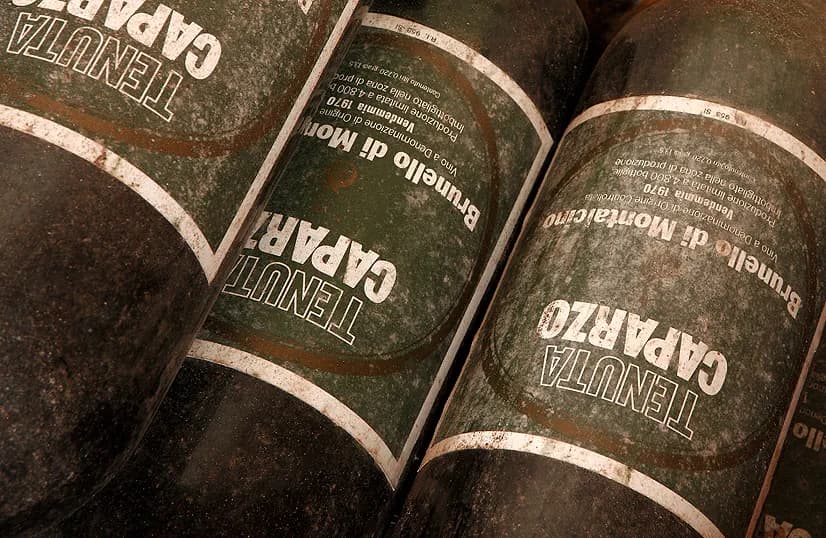
Caparzo produced its first vintage of Brunello di Montalcino in 1970, when the situation in Montalcino was very different than it is now. At the time there were only 13 wineries in Montalcino, and this makes Caparzo one of the historic Brunello producers. The distinguishing characteristic of Caparzo's Brunello di Montalcino is clearly the origin of its Sangiovese. Indeed, the estate is one of the few in Montalcino that has vineyards in the various geographic areas of the Appellation. What might seem to be just a detail is instead quite positive, because the different locations of Caparzo's vineyards allow the estate to draw the most from the different microclimates and terroirs present in Montalcino. The grapes harvested from the vineyards in the various areas of the appellation are carefully selected to lay the foundations for a complex wine that brings together all of the characteristics that make Brunello one of the the world's most sought after wines. AREAS OF ORIGIN OF THE GRAPES: - “Caparzo”, 220 meters above sea level in the northern part of the appellation; 8 hectares. Terrains: sandy-clayey Pliocene sediments. - “La Caduta”, 300 meters above sea level in the southwestern part of the appellation; 7 hectares. Terrains: loosely packed stony arenaceous schist. - “Il Cassero”, 270 meters above sea level in the southern part of the appellation; 6 hectares. Terrain: Pliocene sediments with sandy-stony or scisty-clayey matrix. - “San Piero – Caselle,” 250 meters above sea level in the eastern part of the appellation; 2 hectares. Terrain: sandy-clayey. HARVEST: manual. PRIMARY FERMENTATION: During the first two days of the fermentation, special attention is paid to the seeds, which are eliminated if they are not ripe enough. This operation is made possible by the cutting edge technology of our fermentation tanks. The primary fermentation takes 7 days, at controlled temperatures between 28 and 30 °C, and is followed by delestages and pump overs. Because of the superb quality of the skins, the wine is kept in contact with them for a further 10/15 days. MALOLACTIC FERMENTATION: Spontaneous, at a controlled temperature of 20-24 °C, immediately after racking. AGING IN WOOD: at least 2 years. BOTTLE AGING: at least 4 months. ALCOHOL CONTENT: 13,00 – 14,50% . ACIDITY: 5 - 6‰ AGING CAPACITY: More than 30 years. FIRST YEAR PRODUCED: 1970 COLOR: ruby, tending towards garnet with age. BOUQUET: penetrating, ample, and very complex, with echoes of wild berry fruit. PALATE: dry, warm, firm, harmonious, delicate and austere, and persistent. FOOD-WINE PAIRINGS: roasts, grilled and spit-roasted meats, game, braised meats, aged cheeses. SERVING TEMPERATURE: 18 °C, best if opened 1 - 2 hours before served.
Pairing Recommendation
Roasts, grilled and spit-roasted meats, game, braised meats, aged cheeses.